
THE JAMES NADER MONOCHROME SYSTEM
Learn to see in Black and White. Not just shoot in it.
Learn to see in black and white. Not just shoot in it.
For photographers who already know their way around a camera — and know their monochrome work isn't yet what it should be.

Adobe Lightroom Black & White Editing Course
Transform Your Black & White Editing with Techniques That Galleries and High End Clients Demand
Most black and white photography is just colour
with the colour removed.
Yours might be too. Not because you lack talent. Because nobody taught you the difference.
You've seen it. The image that stops you cold. The portrait where light doesn't just fall — it speaks. The landscape where the shadows carry more meaning than anything in the light. You know exactly what that feels like to look at. You also know, honestly, that your work doesn't do that yet.
You've felt it. That moment after the export. Everything technically correct. Exposure clean, contrast balanced, grain applied. And still — something missing. Not a setting. Not a slider. Something deeper that no tutorial has ever addressed and no preset has ever fixed.
You've ignored it long enough. Because here's the truth: that gap between a photograph that's processed correctly and one that stops someone breathing — it isn't a technical problem. It never was. And until someone shows you what it actually is, no amount of watching, tweaking or practising will close it.
This system closes it.
Why I built this. In my own words.
What if the secret to creating timeless, powerful images isn’t in the camera you own but in how you see light, shadow, and tone?
I've spent thirty years making monochrome images for fashion houses, advertising agencies, galleries and editorial commissions across the UK and internationally.In that time I've looked at thousands of photographs, my own and other people's. And the same gap appears in almost all of them.
Photographers are taught to process. Nobody teaches them to see. This system exists because that gap needed closing, and I'd spent long enough watching talented photographers plateau because nobody had shown them what was actually missing.
Watch the video. Then keep reading.
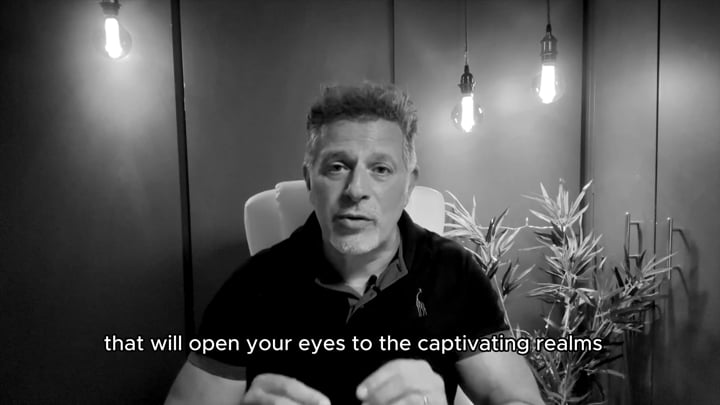
Inside The System - Sample Video Views

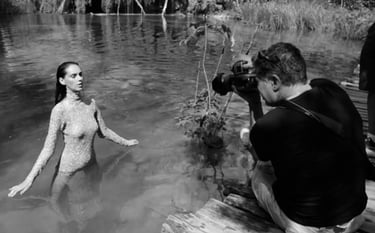
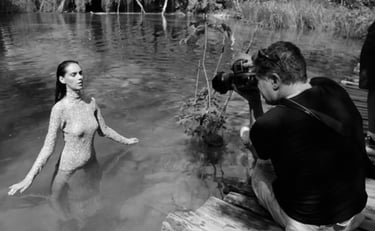


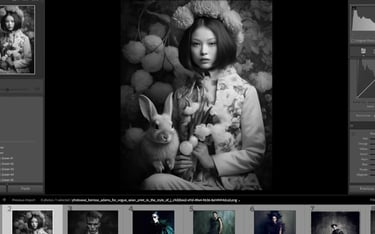
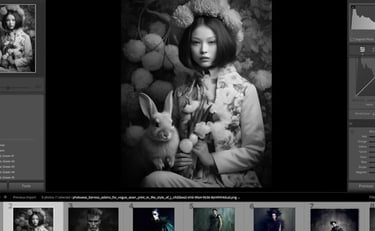
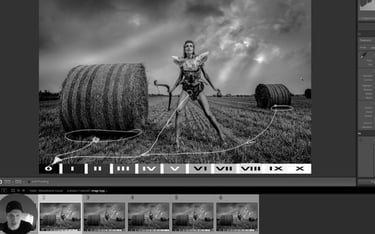
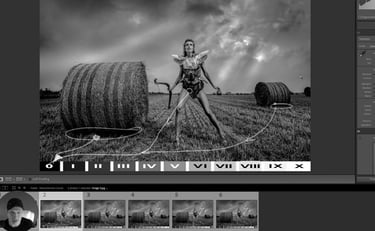
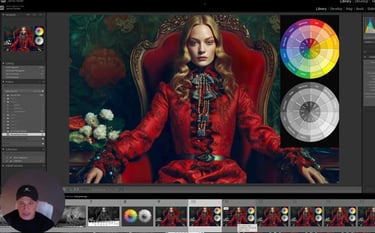
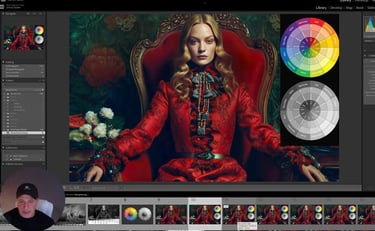
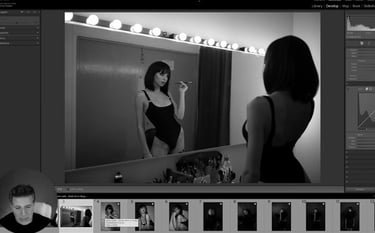
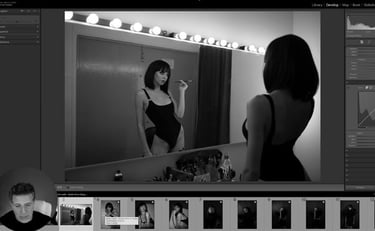
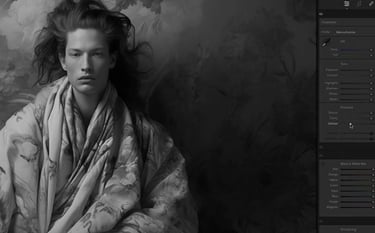
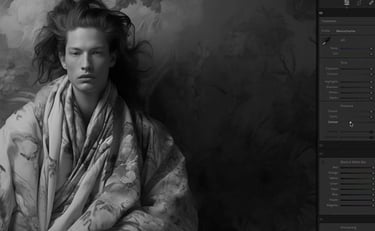


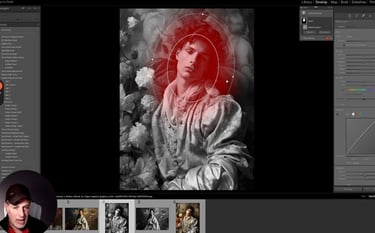
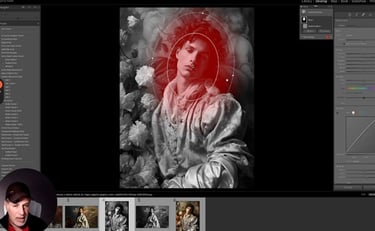
Inside the system
I’ll personally guide you through this journey into the art of black-and-white photography. With over 20 years in fashion and advertising, I’ll share my creative process, insights, and behind-the-scenes lessons that shaped my career.
My Creative Process in Action
See how I’ve applied these techniques across campaigns, portraits, and fashion shoots. Learn how to bring the same methods into your own work.
The techniques that define the work
I’ll show you the specific methods I use to refine black-and-white images, giving you the technical edge needed for gallery-quality results.
The Influences Behind My Monochrome Style
Before I became a fashion photographer, I was shaped by the masters of black and white. Discover the influences that still inform my style today.
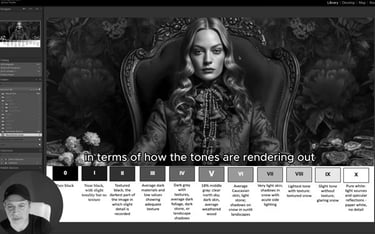
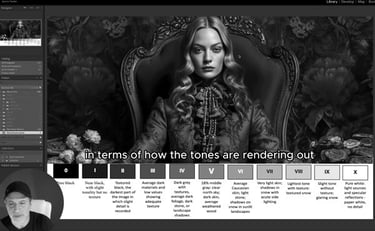
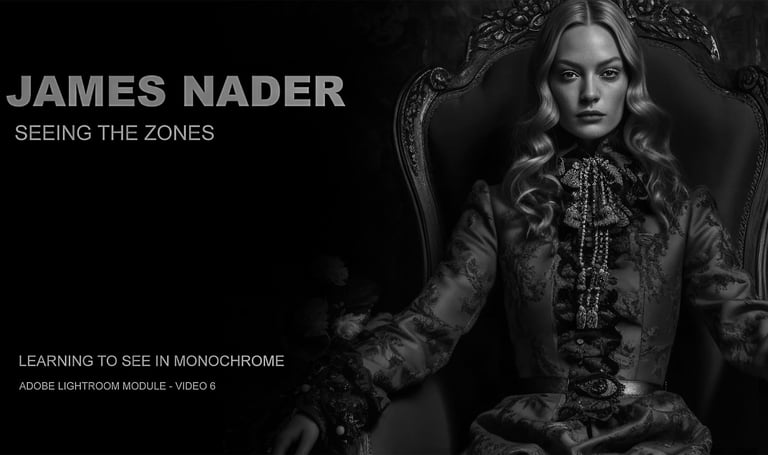
Master the Zone System
Understand how to apply this timeless method not only to landscapes but also fashion and portraiture. Learn how I use it to create striking black-and-white images that command attention.
See in Black & White Before You Shoot
Train your eye and camera settings to interpret tonal values before pressing the shutter. This simple but powerful shift will transform the way you work in Lightroom.
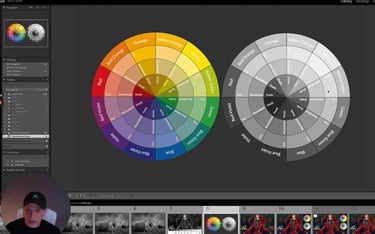
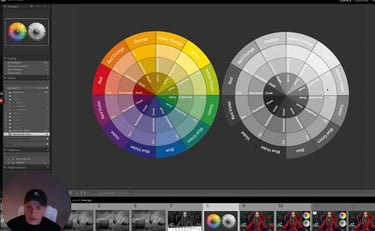
Why colour determines monochrome
Understanding how colour translates to monochrome — and why this knowledge gives you an edge when editing. Learn how colour theory influences every black-and-white conversion you make.
Reading and image before you convert it
The decisions that determine the quality of a monochrome conversion happen before a single slider is moved. This lesson shows you what to look for..
Settings That Matter
The settings that define the outcome Not every Lightroom setting carries equal weight in monochrome work. This lesson identifies exactly which ones matter and why.
Depth, atmosphere and the Dehaze tool
One of the most powerful and least understood tools in Lightroom and how to use it to add genuine tonal depth to portraits, fashion and landscape work.
Texture and the final image
Learn how to refine fine details with the Texture slider — from softening skin in portraits to enhancing fabric and tonal detail in fineart work. I’ll demonstrate how small changes here can make your edits look polished and professional.
Shaping the light after the shot
Master the essential art of shaping light in monochrome. Using Lightroom’s linear and radial masks, I’ll walk you through step-by-step dodging and burning to give your black-and-white photographs depth, focus, and impact.
The problem has a name.
Every photograph that has ever stopped you cold, that portrait, that landscape, that street image you keep returning to, was built on three things.
Not settings. Not software. Not a preset.
Light. Shape. Form.
These are not photographic concepts. They are perceptual ones. They exist before the camera. Before the edit. Before any decision you make in Lightroom. The photographers whose work you admire are not processing differently from you. They are seeing differently. Before they raise the camera. Before they press the shutter. Before a single slider is moved.
TRIOME is the framework this system is built on.
Thirty years of commercial and editorial work distilled into a way of reading a scene and an image that most photographers never develop because nobody shows them how.
This is where the system begins.


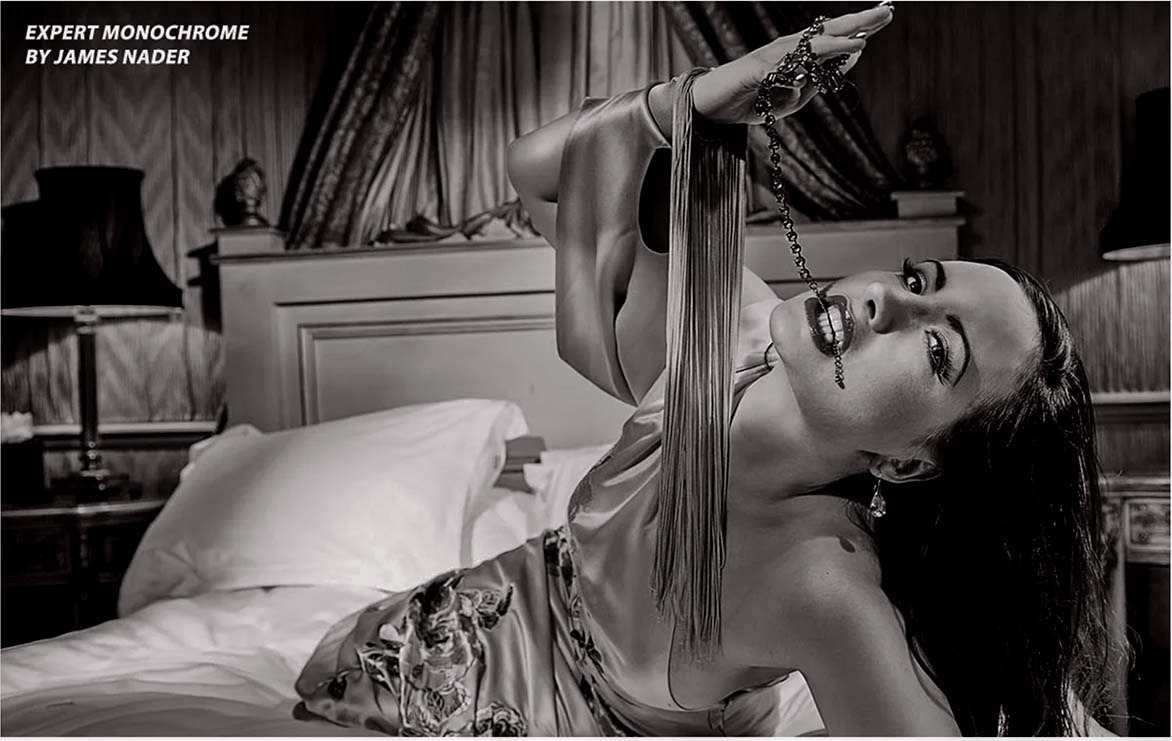
Your Monochrome Journey
"Too often we are not aware that it is the shades of grey that add depth and meaning to the starkness of those extremes.”
– Ansel Adams
Creating a more streamlined editing process is your goal: You can significantly enhance the effectiveness of your editing process.
This course is for you if you want to learn by watching, Those that learn best by seeing ideas translated into visuals will find this method to be very beneficial.


The course provides an in-depth understanding of key Lightroom features that are essential for any genre of photographer looking to improve their post-processing skills.




Thirty years. One discipline.
My editorial work has appeared in Vogue, Visioniste and other leading international publications. I have shot international advertising campaigns for Virgin, Lambertz, Boots, Superdrug and Avon. I have photographed Hollywood burlesque legend Dita Von Teese; Alesha Dixon; Richard Branson; and top supermodels, including Petra Nemcová. My fine art monochrome work has been exhibited in galleries across the UK and Europe.
This is not a course built on theory. Every technique, every framework, every principle inside this system has been tested across three decades of work at the highest level — on set, on location, under pressure, for clients and subjects who expected nothing less than exceptional.
What I teach is what I use. What you learn is what works.

Perfect Fine Art Black & White Images from Colour
Fundamentals of Monochrome Photography:
Adobe Lightroom Techniques:
Creative Vision in Black and White:
Post-Processing Secrets:
Real-World Applications:
Picture by James Nader of Petra Nemcova.
Camera: Hasselblad 50- 110mm
What this system gives you?
A framework for seeing before you shoot.
TRIOME Light, Shape, Form trains your eye to read a scene in monochrome before the camera is raised. This technique is what separates deliberate work from processed work.
A complete understanding of tone.
This includes the modern digital application of Ansel Adams' Zone System, which is rarely taught today and serves as the foundation for every monochrome image that carries genuine weight.
A repeatable editing methodology.
Not a preset. Not a shortcut. A system you understand completely and can apply to every image you make from this point forward.
The tools I actually use.
The system includes a complete preset collection that is an integral part of the workflow taught in the course, rather than just a bonus.
Work that stands apart.
Gallery-level monochrome is not a matter of talent. It is a matter of understanding. This system provides that understanding in full
Is this system for you?
Do any of these sound familiar?
You struggle to make your monochrome work stand out.
Every image looks technically correct. None of them feel inevitable.
You feel lost in Lightroom with no clear method.
You're moving sliders by feel, not by understanding. The results are inconsistent, and you don't know why.
Your black and white edits lack depth and weight.
They look flat. Processed. Like colour photographs with the colour removed.
You've watched every tutorial, and nothing has shifted.
The information is out there. The gap isn't closing. Something fundamental is missing and no one has named it.
You know your work isn't yet at gallery level.
And you're tired of not knowing exactly what stands between where you are and where you want to be.
IS THIS SYSTEM FOR YOU?
WHAT YOU RECIEVE WHEN YOU ENROL
The Complete Monochrome System — Course and Presets
Thirty VIDEO lessons built around a single framework. Not a collection of tips. A complete methodology for seeing, shooting and processing in monochrome — taught by someone who has applied it professionally for twenty years.
The course includes: Every lesson filmed and structured to build on the last. Written materials, process breakdowns and the complete Lightroom workflow I use on every commercial and editorial job.


The preset collection included: Not a shortcut. The actual tools built from the same tonal principles the course teaches. Use them with understanding, not guesswork.
One price. Everything included £247
Ready to work in black and white properly?
This course teaches judgement, control, and authorship. Not presets.
What's Included in The System
Thirty lessons built around a single framework. Not a collection of isolated tips — a complete methodology that builds from perception through to final output.
30+ video lessons — structured to build on each other, not watched in isolation
Full transcripts — every lesson in written form for reference and review
Subtitles — full travel mode so you can study anywhere
The complete preset collection — the actual tools built from the tonal principles the course teaches, included because you'll understand exactly how to use them
Supporting PDFs and reference materials
Lifetime access — return to any lesson at any point as your work develops
📹 30+ Videos | 📄 Full Transcripts | 🎧 Subtitles (Travel Mode) | 🎁 Presets & PDFs | ♾ Lifetime Access
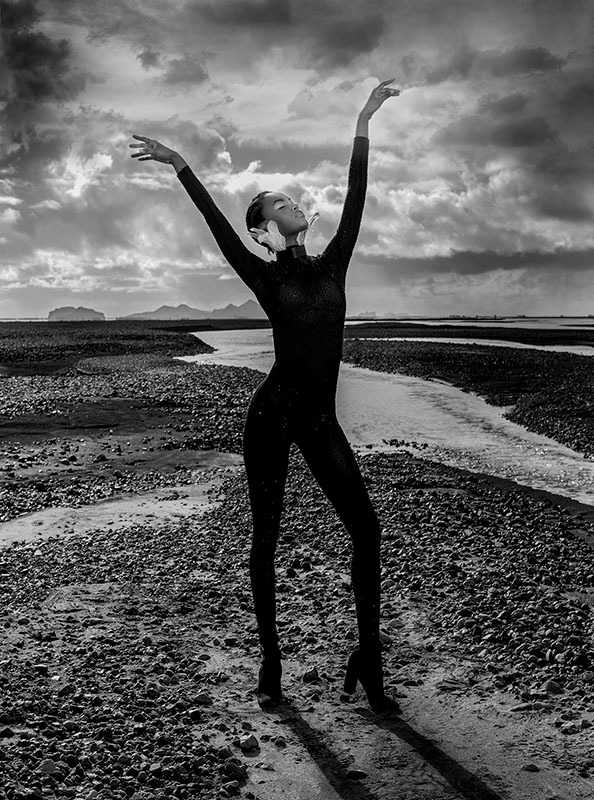
How to see in monochrome before you shoot, training your eye to read light, shape and form without the distraction of colour
The Zone System applied to digital photography understanding tonal range, exposure and how every shade from black to white carries meaning
Why 16-bit editing matters and how working in the correct colour space transforms the quality of your conversions
A repeatable Lightroom workflow, the exact methodology used across twenty years of commercial and editorial work
How to read and control tone not by feel, but by understanding exactly what each tonal decision does to the emotional weight of an image
The difference between processing and seeing and why one produces technically correct images while the other produces work that endures
How to use the preset collection correctly not as shortcuts but as tools built from the same tonal principles the course teaches
How to evaluate your own work honestly developing the critical eye that separates photographers who improve from those who plateau
WHAT YOU WILL LEARN
The Zone System gives you a language for tone that works across every subject, every situation, every genre. Once you understand how tonal relationships create meaning rather than simply describe a scene, every photograph you make changes.
That understanding is what this system teaches.
Monochrome photography reveals what colour conceals. The structure of light. The weight of shadow. The geometry that holds an image together or lets it fall apart.
Learning to see these things before you raise the camera is what separates work that endures from work that is simply technically correct.






You have read the argument. You have seen the work. You understand what separates a monochrome image that endures from one that simply exists.
The James Nader Monochrome System gives you the framework, the methodology and the tools to make that difference permanent in your own practice.
Thirty lessons. The full preset collection. Lifetime access. All supporting materials. Adobe Lightroom taught from the ground up as a perceptual tool, not a processing one.
One price. No tiers. No early-bird countdown. No artificial urgency.
If you are serious about your monochrome work — this is where that changes.

ENROL NOW - £247
THE COMPLETE SYSTEM - ONE DECISION
Also included — the complete preset collection.
Four professionally developed preset packs built from the same tonal principles taught throughout this system. These are the actual tools used across twenty years of commercial and editorial work, not generic filters or shortcuts. Each pack has been developed to work with a specific understanding of tone and light. The course teaches you that understanding. The presets provide you with the tools to apply them immediately.
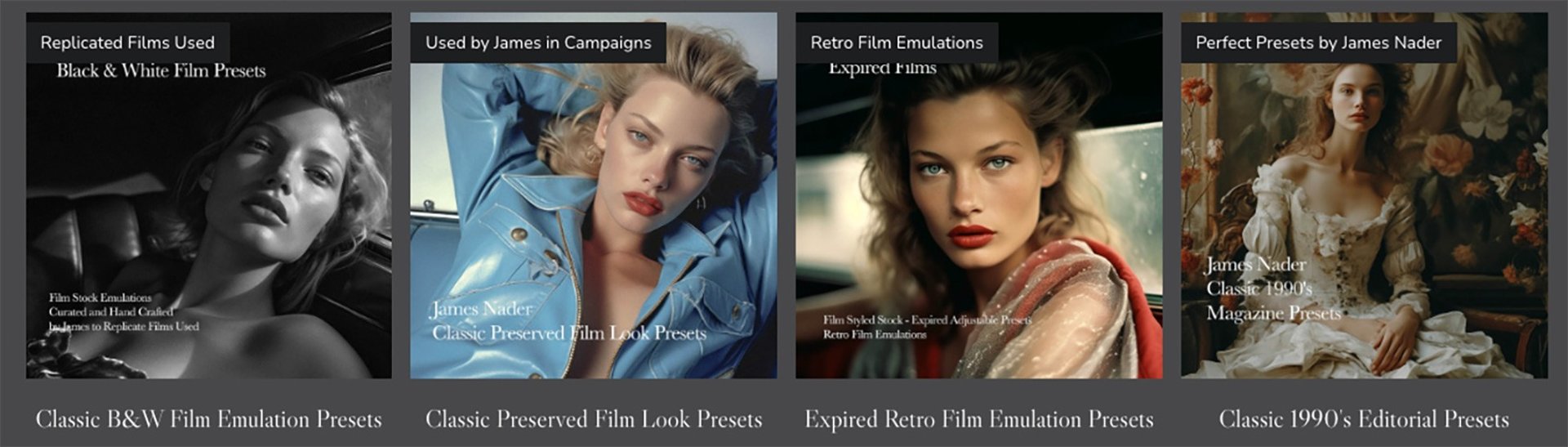
Purchased separately, the complete collection is £149. This is included with the complete system at no additional cost.


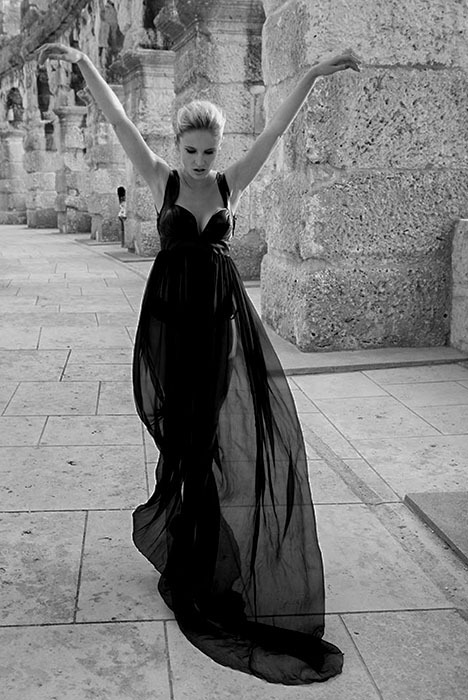
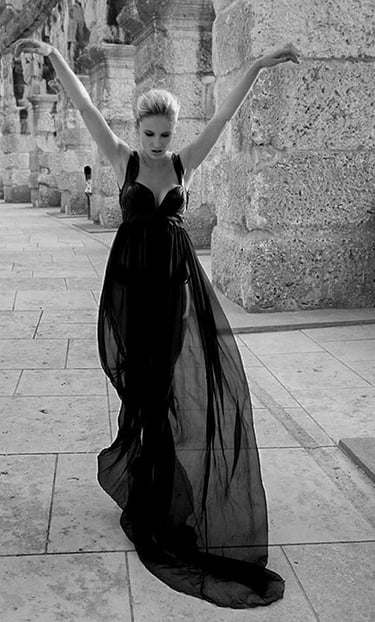
Why Will These Video Modules Help Me, A Budding Photographer?
This system is built for photographers who already shoot — who understand exposure, who know their way around a camera, who have produced work they are proud of. You have put in the hours. You have developed an eye for a moment and the technical ability to capture it.
And yet when you convert that work to monochrome something is lost rather than gained. The image that felt powerful through the viewfinder becomes flat on the screen. You know the potential is there. You cannot yet reach it.
That gap exists because monochrome photography is not a technical discipline — it is a perceptual one. The photographers whose black and white work stops you cold are not processing differently to you. They are seeing differently. They read light as tone. They see shadow as weight.
That way of seeing is not instinctive. It is learned. It is exactly what this system teaches — through thirty lessons, one complete framework and twenty years of professional application at the highest level.
The transformation this delivers is permanent. Photographers who complete this system do not simply edit differently — they see differently on every shoot, before the camera is raised. The work you have always aspired to make becomes not a distant goal but a daily practice.
The system works for every photographer.
Whatever you shoot, the principles of TRIOME and the Zone System apply. Light, shape and form exist in every frame. This course teaches you to see them.


Here's What Other Photographers Have To Say


"Marco: Absolutely loved the course! My black and white photos are now stunning."

Elema: The techniques elevated my images to gallery quality. Highly recommend


Eva: “Learned so much — my edits now have real depth and emotion.
Liam: "Enlightening. My black & white work has never looked better."
The Difference is Everything
Most photographers stop at colour. The ones who stand out master monochrome. Which side will you be on?


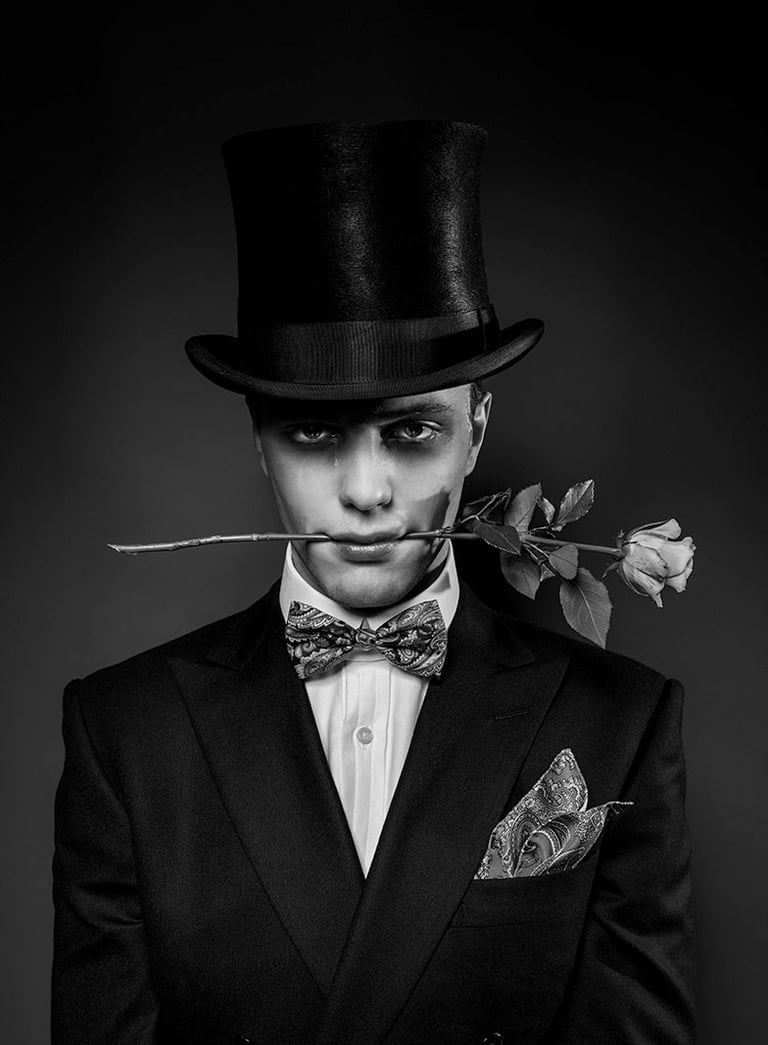

Colour captures attention. Monochrome commands respect.
Before Conversion Techniques
After Conversion Techniques
There is a reason the greatest portrait photographers in history worked in black and white. A reason why the images that endure — the ones that appear in galleries, in books, in retrospectives decades after they were made are so often monochrome.
It is not nostalgia. It is not aesthetics. It is a fact that when colour is removed, everything that remains must earn its place. The light. The shadow. The geometry of the frame. The expression. The silence between elements. Colour provides a photograph somewhere to hide. Monochrome does not.
The difference between the two images above is not software. It is neither a preset, nor a slider, nor a tool. It is a way of seeing that was applied before the shutter was pressed and carried through every decision in the edit. That way of seeing has a name. It has a framework. And it can be learned.
That is what this system teaches. That is what £597 buys you. Not a course. Not a collection of tutorials. A fundamental and permanent shift in the way you read and make photographs.